
Standing up for Nature
Nature gets my vote

Visiting our wild places
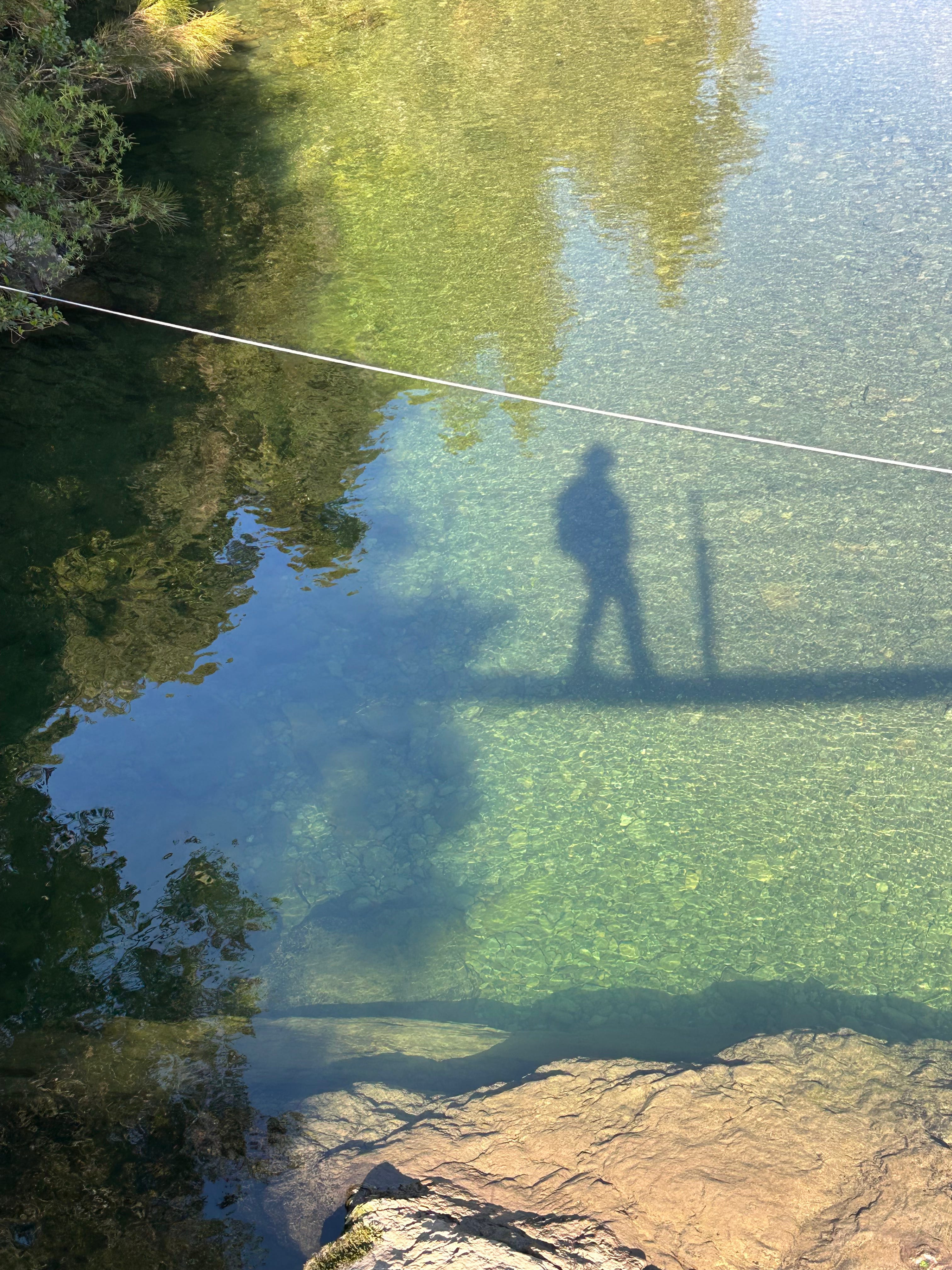
Aotea Great Barrier Island
Recently I tramped the 3 day Aotea track and undertook many shorter walks, enjoying my first visit to this special island. So I was shocked to see that almost all of Aotea Conservation Park is likely to be land proposed for opening up to economic development, sale or exchange in the latest government proposals.
Unique for many reasons: the island is free of possums, stoats, weasels and ferrets and there are several endemic plants (found nowhere else). The island was buzzing with tourists and nature lovers who’d come to see this amazing landscape.


Those that propose economic development on conservation land, haven’t taken on board the lessons of the past. We have already lost most of our native lowland forests and most of our wetlands to economic development to the detriment of our rivers and many native species. All around the motu farmers, conservationists and local councils are hastily recreating wetlands and lowland forests in order to remedy issues such as too much nitrogen in the water, erosion and flooding. Let’s not let rhetoric about ‘economic development’ create a new set of unintended consequences.
Issues that are of concern include:
the risk that kiwis lose access to our wild places, if private tourism operations are allowed to take over conservation land.
our endangered native species won’t survive in tiny theme parks, they need joined up wetlands, forests, rivers that allow animals to move freely. Otherwise they won’t be able to respond to the pressures of weather events and climate change.
Tongariro National Park
A week of day walks from our base in Turangi gave my tramping group opportunities to visit Tongariro National Park, Kaimanawa Forest Park and volunteer with Project Tongariro. It was a delight to see so many whio at home on the Tongariro River.


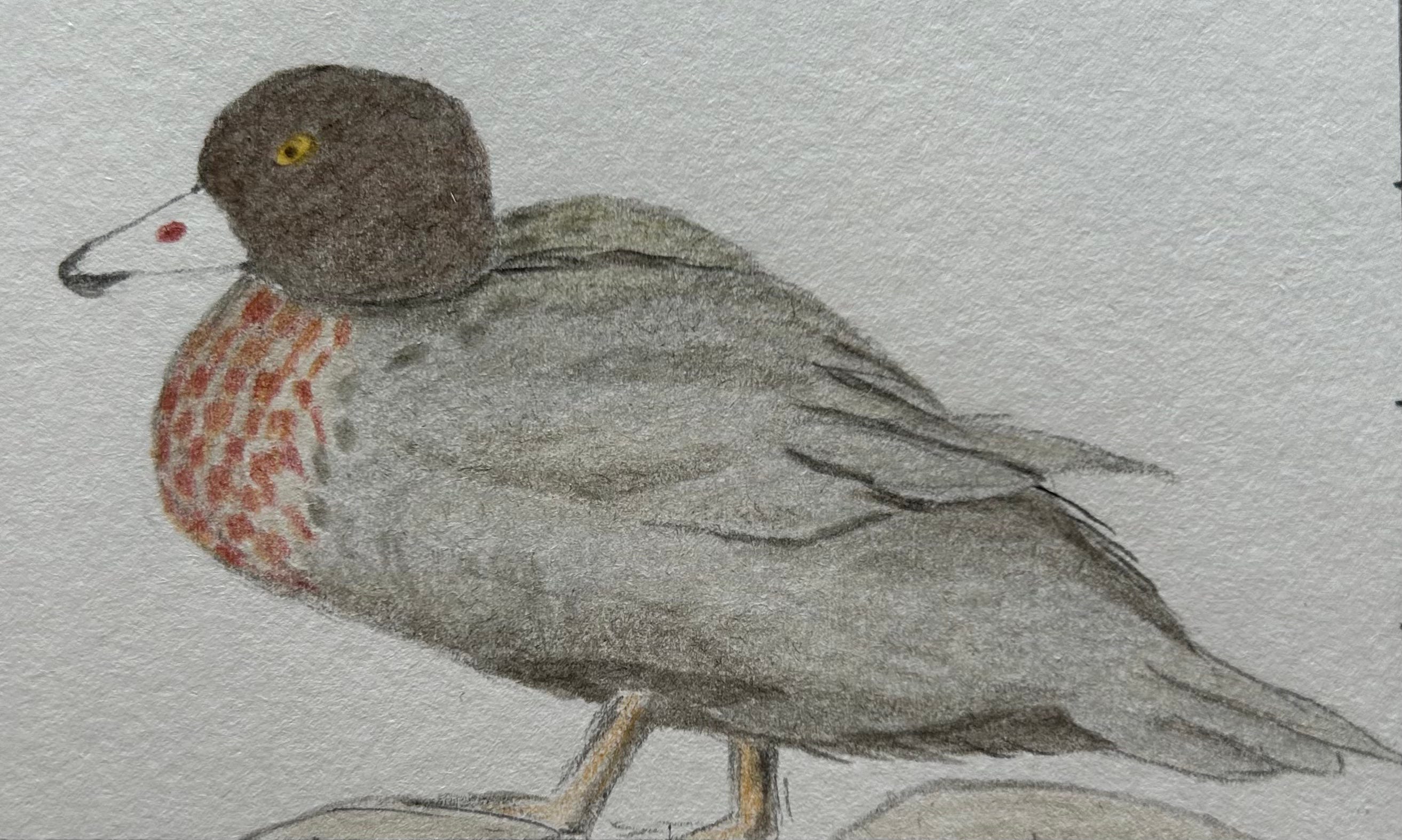
Nature at home


Around home and in my local area, there’s always something of interest to see, as well as opportunities to stand up for nature.
In February, in the Butterfly Count I recorded a large number of copper butterflies along the coast, but only one kahukura NZ red admiral butterfly.
In March, I led a group to look at and enjoy the Easter orchids in East Harbour Regional Park. This is an extraordinary ‘hot spot’ for native orchids, with many species flowering there at different times of the year.
In April, I took part in the iNaturalist City Nature Challenge. Contributing local nature observations to this big citizen scientist initiative is always sobering, it shows me how dominant weeds are (including weed trees like wattles and brooms) in our local environment surrounding and enroaching into native reserves. The smaller the reserves, the bigger the problem.
So it was timely that my tramping group headed to Paekakariki to help the local Waikakariki Wetland initiative tackle weeds in their restoration area.
Learning about Nature
Native slugs have long captured my curiosity. I saw my first ones on Mana Island and more on Aotea Great Barrier. The beautiful one pictured below was spotted after the rain on the local Mangaone Walkway. In Looking Like a Leaf a blogpost on my website I share what I’ve learned about them.
Nature Activities for Families and Children
Through Read NZ’s Writers in Schools programme, I visited Pinehaven School during their Book Week. I talked to the children about being a writer and about how books are created, using my books “In the Bush”, “Whose Beaks is This?” and “Mia & Leo Go Wild!” There’s always lots of interest about the natural world from the tamariki The school librarian prepared for the visit by reading my books with the children and running nature-themed art and craft activities.
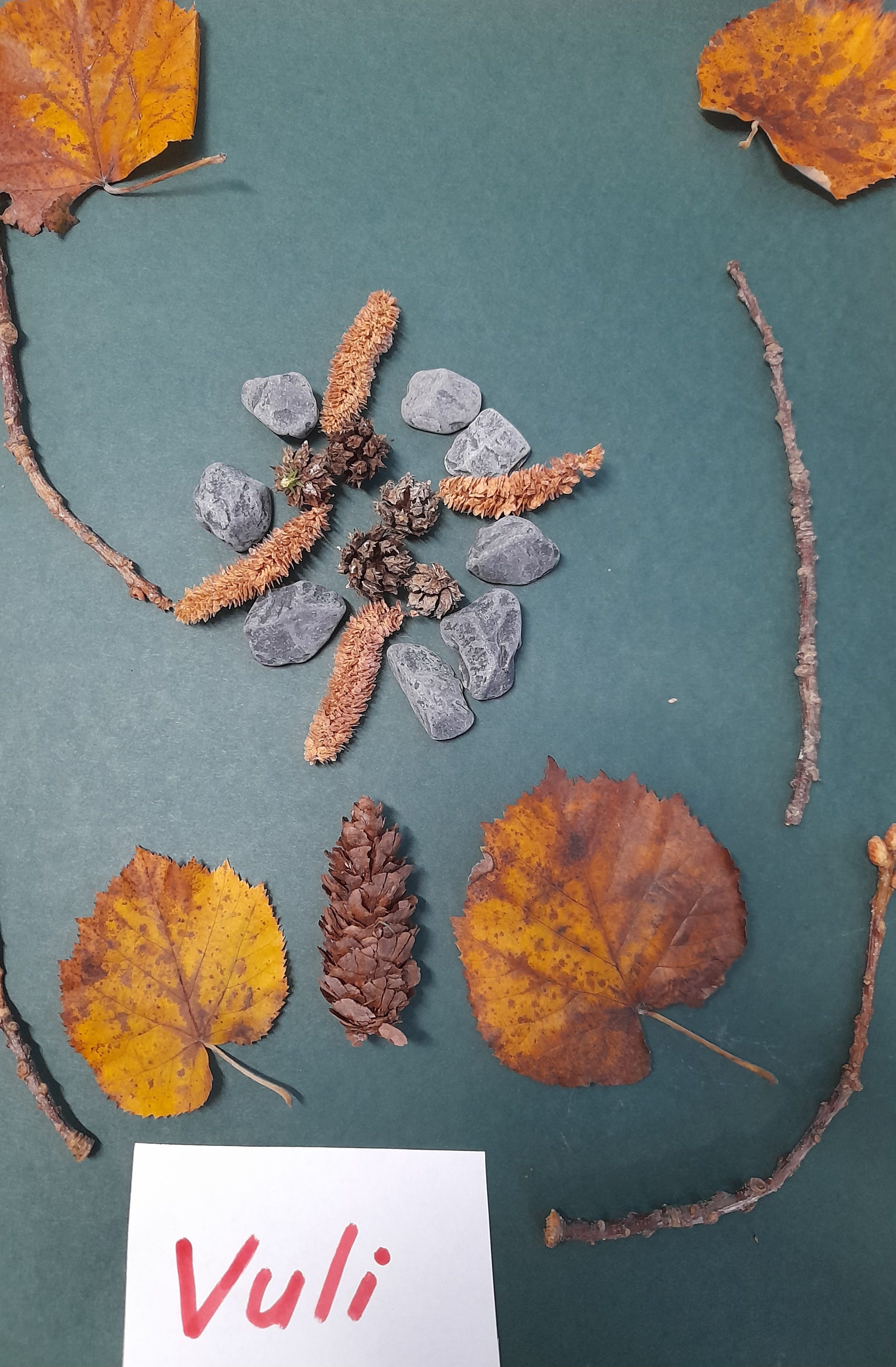
Ephemeral art is great for the environment! The leaves, cones, stones gathered can be placed back where they came from. This is also ideal for beach art, since it’s best to leave shells, seaweed and driftwood. By leaving them at the beach, we allow the shells to be reused by hermit crabs or the calcium to return to the environment. Seaweed and driftwood on the beach are habitats for many creatures from sand hoppers to lizards.
Coming Soon: The Garden Bird Survey 27 June - 5 July Find out more at https://gardenbirdsurvey.nz/ where there are also plenty of activities and ideas, including tips for identifying birds.
Recommended Reading
It’s no surprise that 3 of the 4 books I’m recommending are published by Potton & Burton (who also publish my books). They’ve led the way as publishers of books about Aotearoa’s beautiful and intriguing natural world. If you value access to inspiring and interesting factual content, please continue to support them and their authors by buying their books. All of these books are also suitable for older children.
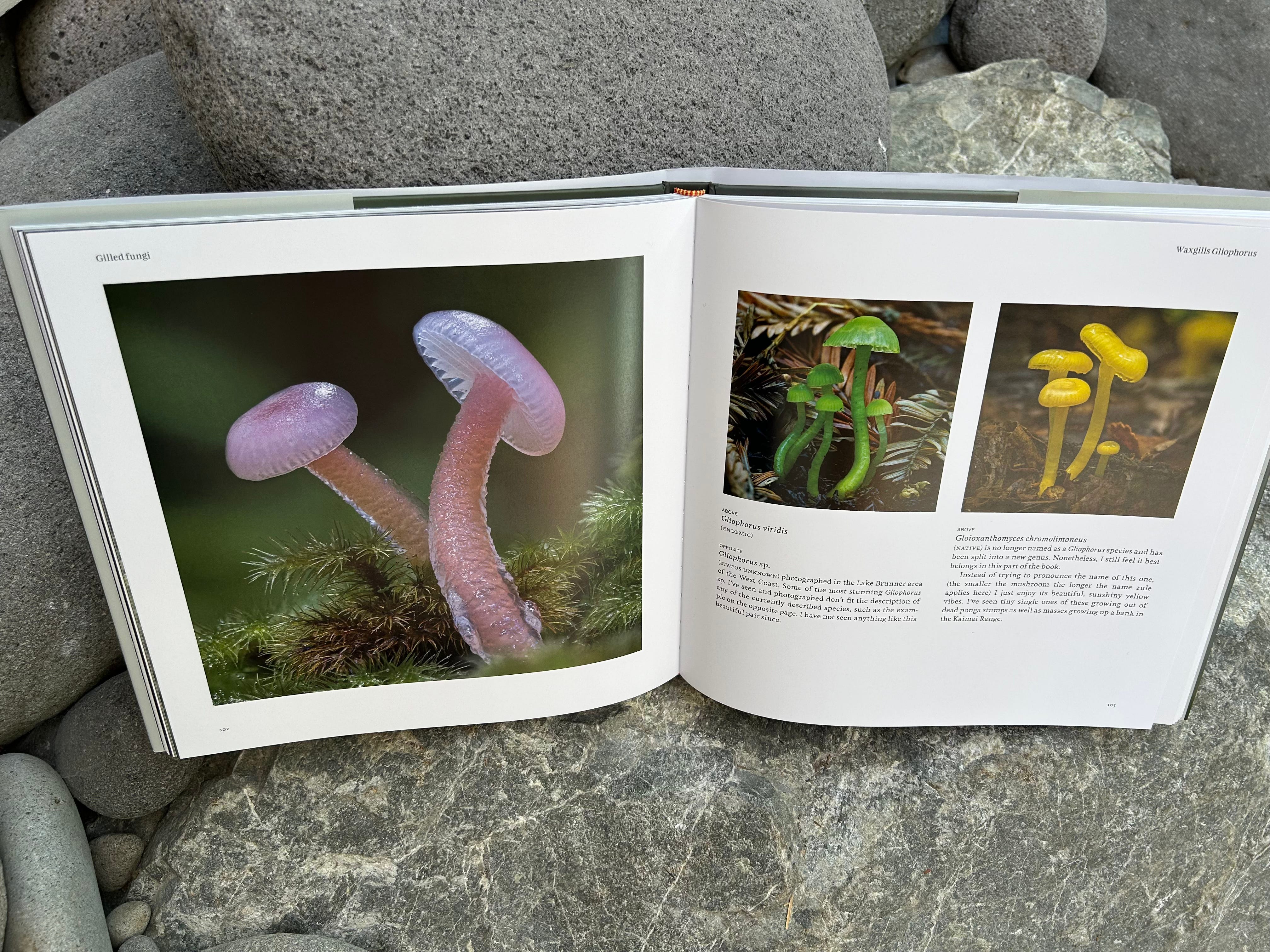
A Hidden World: discovering the beauty of New Zealand fungi by Paula Vigus
I treated myself to ‘A Hidden World’ by Paula Vigus at Christamas - and what a treat! Her beautiful fungi photographs are complemented by personal stories and just the right amount of scientific information. She explains things I’ve wondered about but never found answers to in field guides. Also, unlike in a field guide, the book showcases her passion for fungi, and her appreciation of their beauty really shines through. I feel like I’ve met a kindred spirit in these pages. I’ve read it cover to cover and am now enjoying dipping in to it along with my field guides since fungi season is here.


Feathers of Aotearoa: an illustrated journal by Neils Meyer-Westfeld
I bought this book ready to be charmed and awed by Neils … amazing colour pencil skills. It certainly delivered that. What I hadn’t expected was the level of detailed information about birds, flight and feathers. If you’ve ever wondered about things like how tūī make a whirring sound as they fly, this is the book for you. This would be a great gift for young artists and nature lovers, definitely not just for adults.
Caring for Kahurangi: the inspiring story of Friends of Flora by Sandy and Robin Toy
A must read for anyone involved in a conservation project or interested in Aotearoa’s biodiversity. Friends of Flora have done outstanding work helping to protect part of Kahurangi National Park. Their work has included introductions of whio and kiwi, monitoring of giant snails, lizards, butterflies, monitoring trap lines and much, much more. The account of their 20 plus years of work will inspire volunteers, while at the same time not sugar-coating how difficult it can be to reintroduce birds, face the impact of climate change and work collaboratively with others. I really liked the way information about our biodiversity was woven into the chapters. Readers will come away with knowledge, for example, about the rare and little known but important forest ringlet butterfly and giant powelliphanta snails.
Life in the Shallows: the wetlands of Aotearoa New Zealand by Karen Denyer and Monica Peters
This book has been on my reading list for a long time, I confess to having read a library copy, being unsure if it was still in print - it is! I wanted to read about the wetlands around Lake Taupo, as I knew I was going to visit one of them. I sent a busy morning there volunteering for Project Tongariro along with 39 others from my tramping group.
I loved the way the book matched different wetlands around the country with biographies of wetland scientists, and important themes. It was so well presented and engaging, I’ll be purchasing a copy and it has got me dreaming up a trip around the motu visiting each of the wetlands.